The transport and logistics sector has significantly changed over the past ten years, and air freight services are no exception. As the backbone of international trade, air freight plays a critical role in facilitating the speedy transfer of goods across borders. Driven by shifting consumer expectations, rapid technological advancements, and increasing efficiency demands, cutting-edge technology has become the cornerstone of modern air freight operations.
This blog discusses the latest trends and innovations shaping the future of air freight transport services, highlighting how technology drives efficiency, sustainability, and growth across the industry.
The Evolution of Air Freight Services
Air freight has always been synonymous with speed, reliability, and convenience. While these core values remain deeply interconnected, the broader logistics landscape is evolving at an incredible rate. The pressure to modernize is compounded by the boom of e-commerce, global trade expansion, and shifting consumer behavior.
Legacy practices like paper documentation, traditional tracking systems, and siloed data exchange are gradually being replaced by intelligent, tech-savvy alternatives. From Artificial Intelligence (AI) to blockchain and the Internet of Things (IoT), emerging technologies are completely rewriting the rule book for efficiency and scope in air cargo operations.
Key Trends for Technology Integration into Air Freight Services
1. AI-Driven Optimization
Artificial Intelligence is an absolute game-changer for the logistics and transportation sectors. In air freight, AI is used to optimize every aspect of daily operations, from route planning to inventory management. By analyzing massive datasets, AI can accurately predict market trends, identify operational bottlenecks, and recommend highly efficient workflows.
For example, advanced algorithms can predict exact cargo load distribution to minimize fuel consumption and lower overall costs. Meanwhile, AI-powered chatbots are transforming customer service by providing instant replies to tracking queries and resolving issues around the clock.
2. Blockchain for Transparent Documentation
Air freight documentation is traditionally lengthy, bureaucratic, and burdensome. Conventional record-keeping is often prone to human error, inefficiencies, and security risks. Blockchain technology offers an elegant solution to these long-standing operational hurdles.
Through a decentralized, tamper-proof ledger, blockchain enables seamless and secure sharing of essential documents like commercial invoices, customs clearances, and transport details. This enhanced transparency drastically reduces the likelihood of costly disputes and accelerates cross-border customs processing. On blockchain-enabled platforms, all supply chain stakeholders gain access to a single source of truth, virtually eliminating delays caused by documentation discrepancies.
3. IoT for Real-Time Monitoring
The Internet of Things (IoT) is revolutionizing air cargo visibility by enabling real-time tracking and continuous monitoring. IoT devices, including smart sensors and GPS trackers, provide live updates on critical variables such as shipment location, temperature, humidity, and general cargo condition.
This technology is incredibly valuable for the pharmaceutical, healthcare, and perishable food industries, where strict environmental control is mandatory. If any parameter deviates from the required standard, logistics managers receive an immediate automated alert to take corrective action before cargo goes to waste. Furthermore, this transparency builds trust, giving customers live updates on their premium shipments.
4. Automation and Robotic Solutions
Automation in the air freight ecosystem has rapidly shifted from a luxury to an absolute necessity. From fully automated warehousing facilities down to autonomous cargo-handling systems, operations are becoming increasingly streamlined to minimize manual error.
Robotic systems are now widely utilized for loading and unloading cargo, sorting high-volume shipments, and managing warehouse inventory. This significantly improves operational throughput while minimizing workplace accidents and human error. These automated systems prove most valuable during peak demand seasons, such as the holidays, allowing providers to scale up processing speeds and maintain on-time deliveries under intense pressure.
5. Digital Platforms for End-to-End Visibility
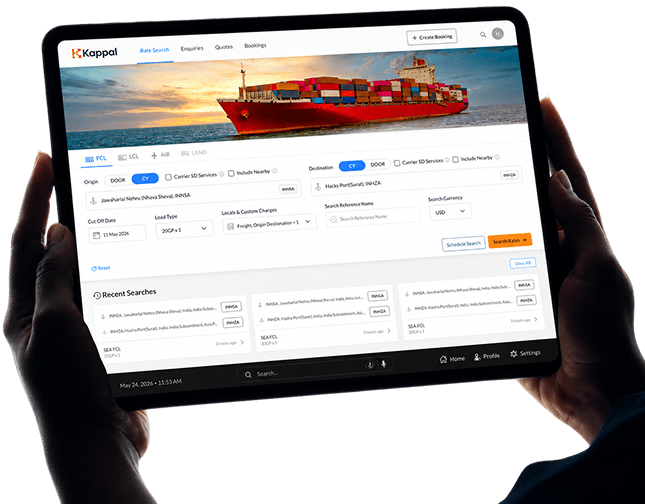
Modern logistics operations rely heavily on unified digital platforms to deliver true end-to-end visibility. These centralized platforms integrate disparate data streams from IoT devices, commercial airlines, and ground logistics providers into a single, intuitive dashboard.
This level of granular visibility allows businesses to monitor shipments at every stage of the journey—from initial warehouse pickup to final mile delivery. Embedded predictive analytics tools also enable companies to identify structural trends, monitor carrier performance, and make data-driven decisions to continually refine their global supply chains.
6. Sustainable Practices with Green Technology
With environmental sustainability taking center stage globally, air freight operators are actively adopting eco-friendly innovations to curb their carbon footprint. Sustainable air cargo practices are being actualized through electric cargo planes, fuel-efficient engines, and verified carbon offsetting initiatives.
Leading commercial airlines are actively experimenting with Sustainable Aviation Fuels (SAF) and hybrid propulsion systems to significantly lower flight emissions. Concurrently, digital routing tools are used to optimize flight paths, avoiding adverse weather and reducing unnecessary fuel burn. By integrating these green technologies, air freight companies can successfully hit their environmental compliance goals while protecting their operational margins.
How Technology Benefits the Supply Chain
The strategic integration of digital innovations offers numerous clear-cut benefits:
- Enhanced Efficiency: Warehouse automation, AI, and IoT drastically minimize operational bottlenecks, saving both time and overhead costs.
- Increased Transparency: Decentralized, blockchain-backed digital platforms guarantee real-time data accuracy and tamper-proof documentation.
- Superior Customer Experience: State-of-the-art live tracking systems provide customers with total visibility, fostering long-term trust and satisfaction.
- Environmental Sustainability: The deployment of green technologies and optimized flight routing ensures a noticeably smaller carbon footprint.
- Seamless Scalability: Cloud-based tech solutions empower air freight providers to fluidly scale their services up or down based on market volatility.
The Indian Context: International Air Cargo Services in India
Driven by an explosive economy, a massive e-commerce boom, and expanding international trade partnerships, India is currently experiencing some of the fastest air freight growth in the world. While modern international air freight services in the region have a relatively short history, Indian service providers are leveraging technology to quickly catch up to global benchmarks.
From deploying AI-driven logistics platforms to utilizing IoT sensors for high-value cargo, Indian logistics firms are enthusiastically welcoming innovation. Progressive government initiatives, such as the “Digital Sky” platform for streamlined drone operations, further demonstrate that modernizing the air freight ecosystem is a top national priority.
Furthermore, India’s vast and highly diversified geographic landscape necessitates heavy technology integration. Advanced digital tools allow Indian air cargo enterprises to overcome infrastructure limitations, plan optimized routes, and execute reliable, timely deliveries for businesses and consumers worldwide.
Obstacles to Implementing Logistics Technology
While the long-term benefits of digital transformation are undeniable, integrating these advanced innovations into legacy air freight operations does come with a unique set of challenges:
- High Initial Capital Expenditure: Deploying complex systems like IoT networks and blockchain infrastructure requires significant upfront financial investment, which can act as a steep barrier to entry for smaller freight forwarders.
- Data Security & Cyber Risks: As logistics platforms become increasingly digitized and interconnected, protecting sensitive commercial data and preventing cyberattacks has become a paramount concern.
- Workforce Adaptation & Training: Upkilling legacy staff to confidently navigate and manage advanced tech platforms is absolutely critical, yet frequently overlooked during implementation.
- Regional Infrastructure Gaps: In certain developing regions, a lack of modern, supportive physical and digital infrastructure can severely hinder the widespread adoption of next-gen logistics technologies.
Overcoming these hurdles requires a highly collaborative, multi-stakeholder approach involving proactive industry leaders, supportive governments, and innovative technology providers.
Conclusion
The future of global air freight is firmly rooted in technological innovation, driving the industry toward unprecedented levels of efficiency, transparency, and sustainability. Companies that proactively adapt to these advancements will not only remain competitive—they will actively redefine the benchmarks for global air freight operations.
By fully embracing transformative tools like AI, IoT, blockchain, and green aviation tech, forward-thinking air freight providers can seamlessly streamline operations, uncover hidden market opportunities, and deliver exceptional value to their clients. In a fast-paced world where speed, precision, and sustainability are non-negotiable, technology is no longer optional—it is essential.